⇄
FOUNDATIONS
Read ↓Signal flow: source to destination
Map every device and interface in the chain. Confirm format, resolution, frame rate, connector type, conversion and the intended display or endpoint.
Foundational explanations and field-ready checklists for audiovisual system design, integration and troubleshooting.
Map every device and interface in the chain. Confirm format, resolution, frame rate, connector type, conversion and the intended display or endpoint.
Learn how capability exchange, content protection, cable quality and format negotiation can affect a video path.
Distinguish mic, line and speaker-level signals; set gain deliberately and avoid clipping or unnecessary noise.
Plan service access, ventilation, cable bend radius, labelling, power distribution and future maintenance.
Verify every source and destination, control path, room workflow, audio coverage, recovery behaviour and handover document.
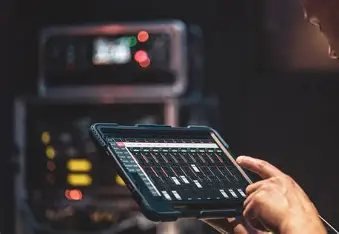
Modern digital mixers and DSPs can be controlled from a tablet, so you can walk the room while you adjust levels. It is the fastest way to check that every seat gets clear speech.
Good audio depends on the whole path: source quality, gain staging, DSP configuration, room acoustics, loudspeaker coverage and user controls. Confirm signal presence at each stage before changing EQ or compression. For critical rooms, document reference levels and test speech intelligibility from representative seats.
Use a rack elevation and cable schedule, label both cable ends, separate power and signal paths where required by the design, respect equipment ventilation requirements and leave service loops that do not obstruct airflow. Never exceed rack, circuit or mounting ratings.